
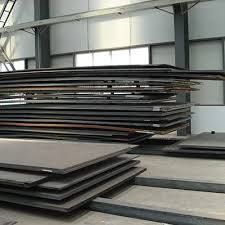
Importance of Material Standards in Corrosive Environments
In the harsh environment of oil and gas production, material failure is not only expensive but also risky. Hydrogen sulfide (H₂S) makes the air “sour.” This can cause metals to break without warning. Engineers use strict material standards to deal with these risks. These rules make sure that the steel used in ships and pipelines can handle chemical stress. Without these guidelines, the industry would face constant leaks and structural collapses. This blog discusses how global standards like NACE and ISO keep operations running safely. Choosing the right NACE MR 0175 plates supplier is a vital part of this safety chain.
What Is NACE MR 0175?
NACE MR 0175 is the primary standard for materials used in H₂S-containing environments. It specifically addresses sulfide stress cracking (SSC), a form of brittle failure. This standard applies to the entire oil and gas production cycle. It covers everything from the wellhead down to the refinery gate. It focuses on carbon steels, low-alloy steels, and many types of stainless steel. The main goal is to set limits on material hardness and chemistry. By staying below these limits, the risk of sudden cracking in sour service is greatly reduced. It is the preferred solution for preventing catastrophic metal fatigue in the field.
Understanding ISO Standards Relevant to Corrosion
ISO standards, such as ISO 15156, ISO 3183, and ISO 17945, provide a global framework for material selection. While NACE began in the United States, ISO focuses on international harmony. ISO 15156 is actually titled “Petroleum and natural gas industries—Materials for use in H₂S-containing environments.” ” It is divided into three parts covering general principles, cracking-resistant steels, and alloys. These standards use a performance-based approach. They look at the actual environmental conditions, like temperature and pH levels, to decide if a material is safe. They ensure that a pipe bought in Europe meets the same safety needs as one in Asia.
Key Differences Between NACE MR 0175 and ISO Standards
While these standards often overlap, they have different origins and specific technical focuses that impact how engineers select materials.
-
Origin and Geographic Reach
NACE MR 0175 started as a U.S. standard from the National Association of Corrosion Engineers. It focused heavily on North American drilling conditions and sour gas fields. ISO standards are developed by a global committee representing many countries. Today, NACE and ISO 15156 are technically identical in most sections. However, some regional projects still specify the original NACE version for legal reasons.
-
Testing and Technical Debt
ISO standards often go into more detail regarding the specific laboratory tests required for certification. They explain exactly how to prepare samples and what solutions to use when immersing them. NACE tells you “what,” and ISO often tells you “how.” This helps labs all over the world get the same results every time.
-
Breadth of Material Coverage
This is broader than just sour service, as it covers mechanical strength and toughness for all conditions. NACE MR 0175 is more laser-focused on the chemistry of corrosion resistance. It acts as a specialized subset of the broader rules found in ISO documents.
-
Compliance and Documentation
The impact on material certification is significant when dealing with global trade. A NACE MR 0175 plates supplier must provide Mill Test Reports (MTRs) that show specific hardness levels. ISO compliance often requires more detailed traceability of the heat treatment process. This ensures that every inch of the plate has been hardened or annealed correctly.
Material Compliance and Selection Criteria
Selecting the right metal requires a deep look at the chemistry and physical limits set by these international bodies.
-
Hardness and Metallurgy
NACE MR 0175 famously sets a maximum hardness limit of 22 HRC (Rockwell C) for most carbon steels. This is because harder steels are more likely to crack in H₂S environments. Any material exceeding this limit is generally rejected for sour service applications. Suppliers must carefully control the cooling process after rolling the plates to meet this rule.
-
Chemical Composition Limits
ISO standards provide strict guidance on the amount of nickel, sulfur, and phosphorus in the steel. High sulfur content can lead to inclusions that act as starting points for cracks. Keeping sulfur levels extremely low is a hallmark of “NACE quality” steel. These chemical compositions ensure the metal remains ductile even under high pressure.
-
Application-Specific Selection
For pipelines and pressure vessels, the choice depends on the partial pressure of H₂S. ISO 15156 uses a graph to categorize regions of severity from 0 to 3. Engineers use these charts to pick the right alloy for the specific well conditions. This prevents the over-specification of expensive metals where they are not needed.
-
Dual Certification Requirements
Critical projects often require materials to meet both NACE and ISO requirements simultaneously. This ensures the plates are safe for sour service and meet global mechanical strength rules. A trusted supplier will provide documentation proving the metal satisfies both sets of criteria. This “double-stamp” of approval is common in offshore oil rigs.
Testing and Quality Assurance
Quality assurance is the backbone of corrosion prevention. Manufacturers conduct Sulfide Stress Cracking (SSC) tests to ensure they are compliant with the rules. In these tests a steel sample is put under stress and then put in a sour solution. It passes if the metal doesn’t crack after 720 hours. To make sure the plate is even, hardness testing is also performed across the thickness of the plate. Traceability is another key factor. Every plate must be linked back to its original “heat” or batch from the mill. A certified NACE MR 0175 plates supplier maintains these records meticulously. This ensures that if a failure occurs, the source can be found quickly.
Industrial Applications of NACE-Compliant Materials
In many heavy industries where H₂S is a known threat, it is common to use compliant materials.
-
Midstream Pipelines and Vessels
Pipelines that carry raw crude oil or natural gas often have a lot of moisture and H₂S. These lines run for miles across fragile land or through the ocean. Using plates that meet NACE standards keeps the pipes from bursting due to internal corrosion. It also protects the environment.
-
Refineries and Petrochemical Plants
Inside a refinery, high temperatures can make corrosion even more aggressive. Processing units must handle sour crude oil without the walls of the vessel thinning out. NACE MR 0175 materials are used in heat exchangers and storage tanks. This keeps the plant running 24/7 without unplanned shutdowns.
-
Offshore and Subsea Structures
Offshore platforms face corrosion from the outside (saltwater) and the inside (sour gas). Subsea hardware is especially hard to inspect or repair. Using the highest grade of NACE and ISO-certified steel is the only way to ensure a long lifespan. It is necessary for protection against oil spills in our oceans.
Advantages of Working with a Certified NACE MR 0175 Plates Supplier
Picking the right partner for your material needs makes the procurement process much smoother.
-
Certified Quality and Safety
A certified supplier understands the importance of the right standards. They don’t just sell metal; they sell a guarantee of safety. You get assurance that the plates won’t fail under pressure.
-
Lower Risk of Downtime
Using the wrong material leads to leaks, repairs, and lawsuits. A professional supplier helps you avoid these costly mistakes from the start. They ensure the material is “fit for purpose” for your specific environment.
-
Customization and Availability
Expert suppliers keep a wide range of NACE-compliant grades in stock. They can cut plates to your exact size or provide specific thicknesses. This speeds up your construction timeline and reduces waste.
-
Expert Technical Support
If you are unsure which ISO or NACE grade fits your project, a good supplier has the answers. They stay updated on changes to international standards. This expertise helps you stay compliant with local and global laws.
Choosing the Right Standard for Your Project
At MetalOre , understanding the link between NACE MR 0175 and ISO standards is vital for any modern industrial project. NACE provides the specialized focus on sour service, while ISO ensures these rules work on a global scale. Using both together creates a shield against material failure and environmental disasters. Always check your project specifications to see which version of the standard is required. Sourcing from a reliable partner is the best way to ensure your steel stands the test of time. If you need high-quality, compliant steel, contact MetalOre today. We are a leading NACE MR 0175 plates supplier dedicated to safety and excellence.