Choosing the Right Thickness of ASTM A36 Carbon Steel Plates for Industrial Application

Choosing the Right Thickness of ASTM A36 Carbon Steel Plates for Industrial Application

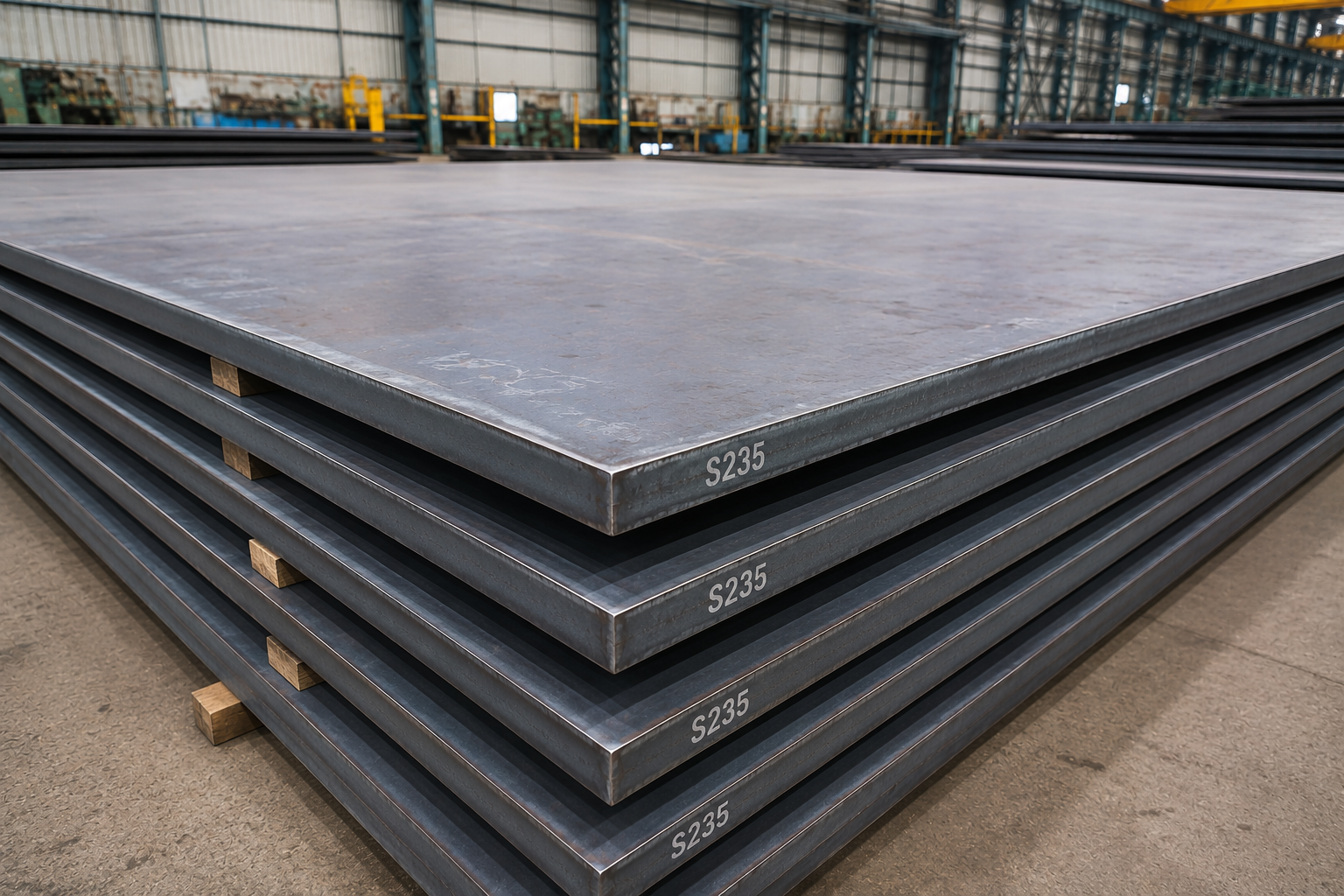
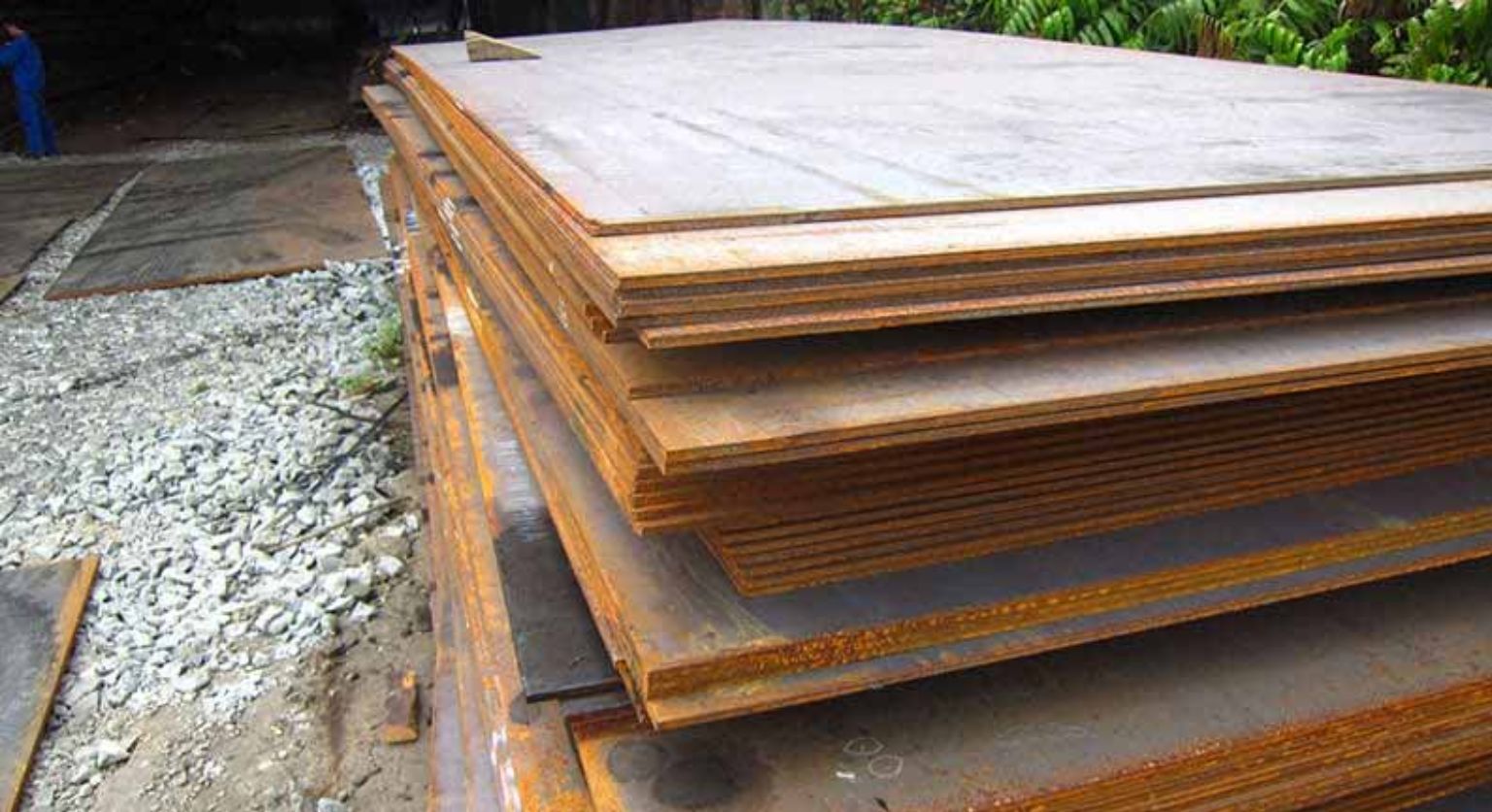
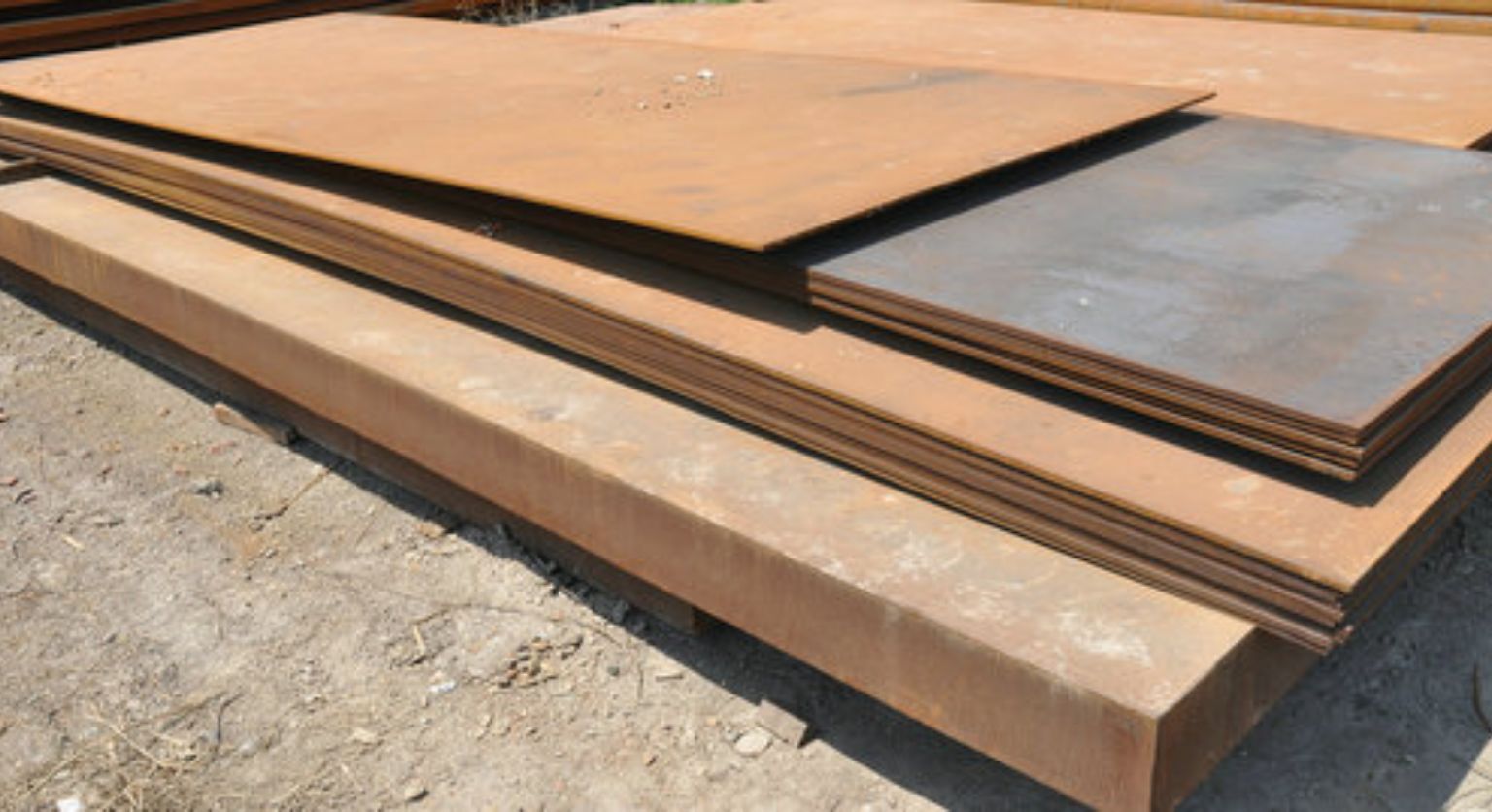
Steel grade selection is only half the decision. Plate thickness determines whether a finished structure meets load requirements, survives its service environment, and comes in on budget. For buyers sourcing carbon steel plates for structural and fabrication work, the carbon steel plate ASTM A36 grade anchors most thickness discussions. The grade earns that position. ASTM … Read more

How 400 BHN Wear Plates Improve Equipment Service Life

How 400 BHN Wear Plates Improve Equipment Service Life

Abrasive industrial environments wear down standard steel fast, and that wear translates directly into downtime and replacement cost. A 400 BHN wear plate carries a Brinell hardness rating of roughly 400, measured by how much resistance the surface offers against a standardized indentation test. That hardness is what lets the plate resist sliding abrasion, impact … Read more

Difference Between Alloy Steel Plates and Carbon Steel Plates

Difference Between Alloy Steel Plates and Carbon Steel Plates

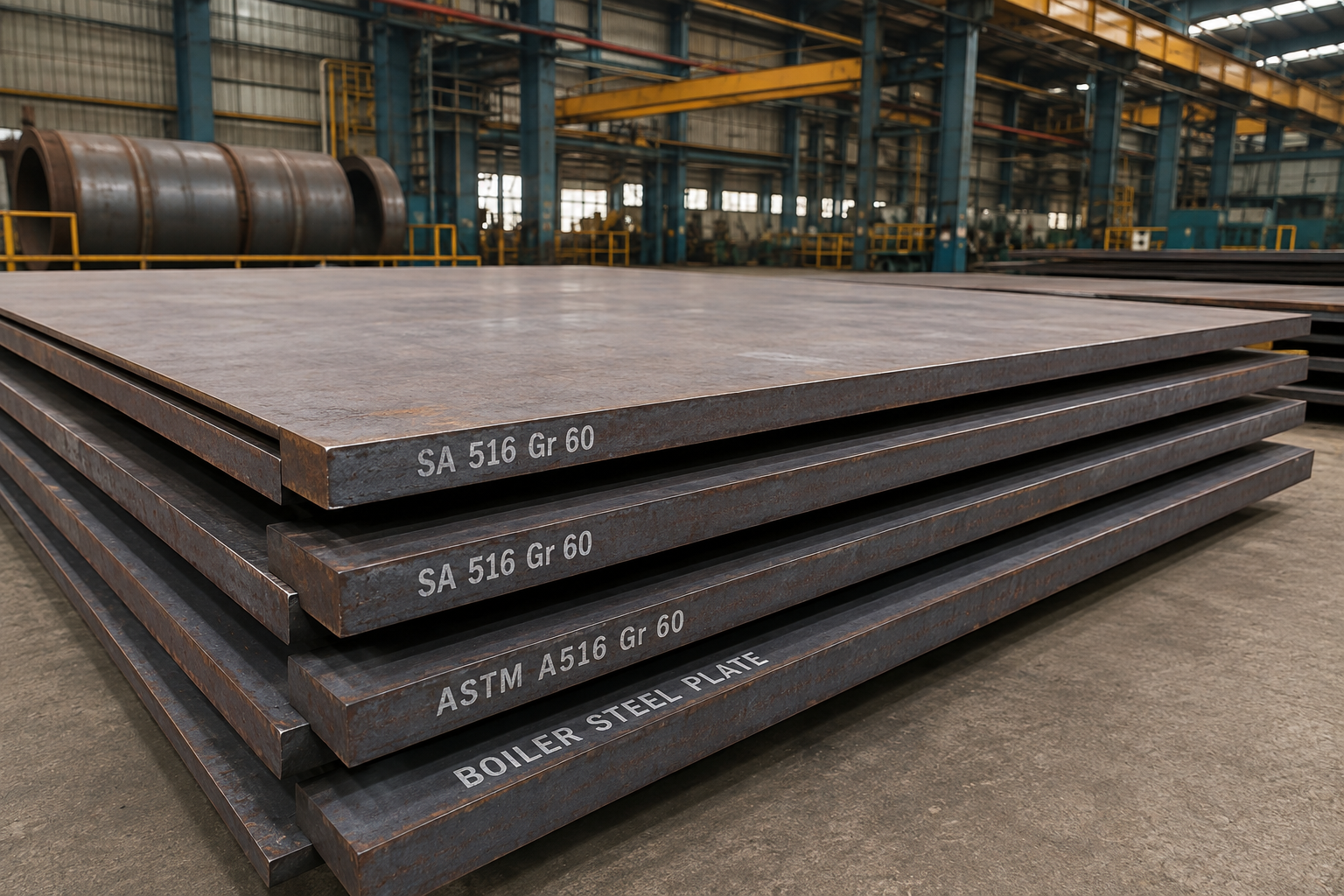
Steel plates support nearly every industrial sector. Walk through a refinery, a power plant, or a bridge construction site, and you encounter them in structural frames, pressure vessels, boilers, and heavy machinery. Picking the wrong plate material risks structural failure, accelerated corrosion, and costly shutdowns. Two categories are dominating the procurement decisions: alloy steel plates … Read more

Why SA 387 GR 12 CL 2 Plates Are Preferred for Pressure Equipment Manufacturing

Why SA 387 GR 12 CL 2 Plates Are Preferred for Pressure Equipment Manufacturing

Pressure equipment fails when the steel beneath it cannot hold. Boilers crack, reactor vessels fatigue ahead of schedule, and heat exchangers corrode from the inside out when fabricators choose plates that cannot handle sustained thermal and mechanical stress. SA 387 GR 12 CL 2 plates solve this directly. Built from a chromium-molybdenum alloy with chromium … Read more

Benefits of Using High-Strength Sailma Plates in Construction

Sailma Steel Plates

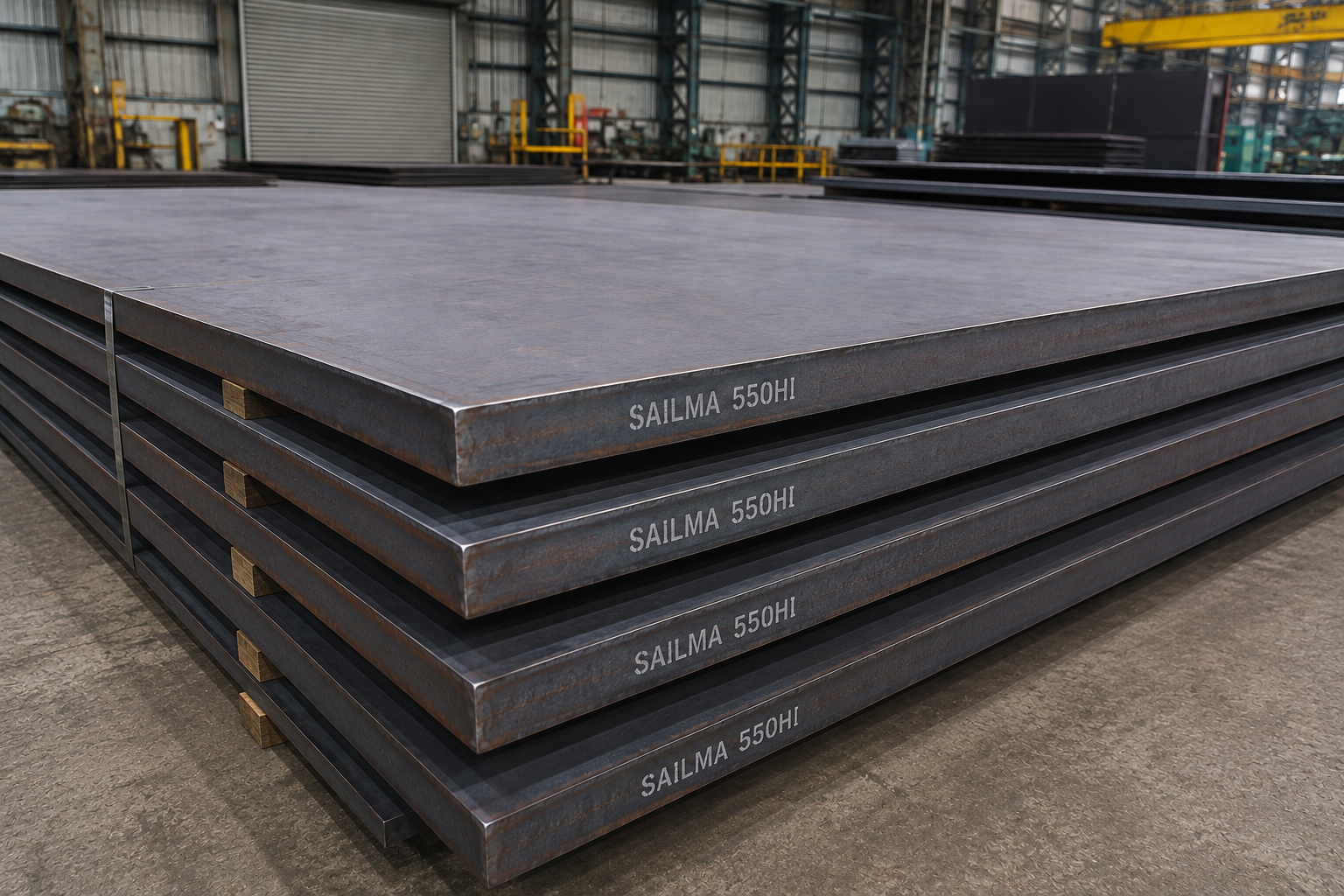
Modern construction puts steel through tough operating conditions. Longer bridge spans, taller industrial structures, and heavier dynamic loads have pushed engineers away from conventional mild steel toward materials that deliver more strength per kilogram. Sailma plates answer that demand directly. Classified as high-strength low-alloy structural steel, these heavy duty construction steel plates carry higher tensile … Read more

How to Select the Right Wear Resistant Plate for Industrial Applications

Wear Resistant Plate

Equipment failure in abrasive environments builds up over weeks of undetected surface loss until a liner cracks, throughput drops, and production halts. Choosing the right heavy duty wear resistant plates at the specification stage prevents that sequence. Wear resistant plates are not interchangeable, and grade, hardness, and thickness must match actual site conditions. What Are … Read more

Why 400 BHN Plates Are Ideal for Mining Equipment

400 BHN Plates

Mining equipment battles rock, ore, and mineral particles every shift. Crusher jaws compress granite continuously. Excavator buckets scrape against hard rock faces. Dump truck bodies absorb impact loads of over 100 tonnes per cycle. The choice of material is even more crucial for parts that are subject to wear, because it determines how long a … Read more

Applications of C55 High Carbon Steel Plates in Heavy Engineering and Tooling

Stacked heavy steel plates stored in factory warehouse for fabrication

The Muscle Behind Heavy Machinery In the world of heavy engineering, the materials you choose make or break your project. Standard steel works for a lot of things, but it often fails when the job gets tough. This is where high carbon steels are preferred. These metals are the backbone of the machines that build … Read more

Understanding the Difference Between NACE MR 0175 and ISO Standards

Large steel plates stacked inside industrial warehouse for fabrication use

Importance of Material Standards in Corrosive Environments In the harsh environment of oil and gas production, material failure is not only expensive but also risky. Hydrogen sulfide (H₂S) makes the air “sour.” This can cause metals to break without warning. Engineers use strict material standards to deal with these risks. These rules make sure that … Read more