
The Muscle Behind Heavy Machinery
In the world of heavy engineering, the materials you choose make or break your project. Standard steel works for a lot of things, but it often fails when the job gets tough. This is where high carbon steels are preferred. These metals are the backbone of the machines that build our infrastructure and the tools that shape our products. When you need extreme hardness and the ability to fight off wear and tear, you look for carbon. C55 high carbon steel is one of the most trusted names in this field. It offers a level of grit and endurance that keeps industrial plants running day and night. Without these strong plates, our most important tools would simply wear out too fast.
What Exactly Are C55 High Carbon Steel Plates?
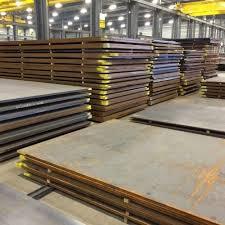
C55 is a medium-to-high carbon steel. The “55” stands for the amount of carbon inside, which usually is around 0.55%. This carbon level allows the steel to be hardened to a high degree. These plates are usually made through hot rolling. This process creates a dense, solid material that can be sold in many different widths and thicknesses. Whether you need a thin sheet for a hand tool or a thick plate for a machine base, C55 can be made to fit. It is the preferred choice for heavy-duty jobs because it is tough but still manageable to work with in a shop.
How C55 Steel Behaves Under Pressure
The mechanical properties of C55 are made for heavy engineering. First, it has high tensile strength. This means you can pull on it with immense force and it won’t break. It also has a natural hardness that resists scratches and dents. This is called abrasion resistance. If you have two metal parts rubbing together, you want them to be made of something like C55 so they don’t grind each other into dust. Even though it is hard, it still has enough ductility. This stops it from being too brittle. It can take a heavy hit without shattering. This mix of staying stiff but absorbing shock is exactly what an engineer looks for when designing a part that has to work hard every single day.
The Magic of Heat Treatment
One of the best things about C55 is how it reacts to heat. You can change it based on how you heat and cool it. If you heat it and dunk it in oil or water—a process called hardening—it becomes incredibly stiff. If it’s too brittle after that, you can “temper” it by heating it gently again. This settles the metal down and makes it tougher. There is also annealing, which softens the metal so you can cut or drill it more easily. Being able to control these traits is a big deal. It means you can make a tool that has a rock-hard edge but a body that won’t crack under pressure. This flexibility is why C55 is a staple in industrial shops.
C55 in Action: Heavy Engineering Uses
- Machine and Car Parts: C55 plates are often used for the structural parts of big machines. Think of the frames that hold up assembly lines or the parts inside a truck’s suspension. These pieces must stay straight and strong even when carrying tons of weight.
- Presses and Cutting Tools: In factories that stamp out metal shapes, the tools have to be harder than the metal they are hitting. C55 is perfect for these press tools and dies. It holds its shape even after thousands of hits.
- Gears and Shafts: Gears are always grinding against each other. If they were made of soft metal, the teeth would wear away in a week. C55 shafts and gears can handle the heat and friction of a high-speed engine or a heavy-duty gearbox.
- Construction and Metalworking: In the forging and construction world, tools take a lot of abuse. C55 is used for the liners in heavy bins and the parts of conveyors that move sharp rocks or heavy scrap metal.
Engineers choose C55 because it is reliable. When a machine part is made of this steel, you know it will last. It saves money in the long run because you aren’t constantly stopping the line to fix broken parts.
C55 in the Tooling Industry
- Hand Tools and Blades: Have you ever used a high-quality hammer or a sharp pair of industrial shears? There is a good chance C55 was involved. It allows blades to stay sharp and hammer heads to stay flat without chipping.
- Punches and Molds: When a factory needs to punch a hole through a piece of steel, they use a C55 punch. It is also used for molds that form plastic or metal into specific shapes. These molds have to stay perfectly smooth under high heat and pressure.
- Precision and Long Life: Tools need to be exact. C55 can be ground down to very precise sizes. Because it doesn’t wear down easily, a C55 tool will stay the same size for a long time, keeping your products consistent.
- Standard and Custom Work: Whether a company is making a million screwdrivers or one single custom part for a rocket, C55 is a great fit. It is easy to find and easy to treat, making it a favorite for toolmakers.
The Big Benefits of C55 Plates
Why should you pick C55 over other types of steel? The biggest reason is strength. You get a metal that can survive the toughest environments. It also lasts a long time, which means fewer replacements and less downtime. Another huge plus is the cost. C55 is very affordable compared to fancy alloy steels that use expensive chemicals. It gives you great performance without breaking the bank. It is a versatile, all-around performer that works in almost every industry you can think of.
Finding the Right Supplier
You can’t just buy any piece of metal and hope for the best. When you look for C55 plates, you need a supplier that cares about quality. You want to see certifications that prove the steel has the right amount of carbon. You also need a supplier that can cut the plates to the exact size you need. This saves you time and cuts down on waste. A reliable source will make sure every plate has the same hardness and strength, so your tools and machines perform the same every time.
A Must-Have Material
MetalOre is your trusted partner for high-quality steel. When you look at all the facts, it is clear why C55 high carbon steel plates are so important. They provide the strength, hardness, and wear resistance that heavy engineering demands. From the smallest hand tool to the largest industrial press, this steel keeps the world moving. It is a smart, cost-effective, and powerful choice for any company that needs its equipment to last. If you want a material that won’t let you down, C55 is the way to go. Contact us today to see how our C55 plates can improve your production.