
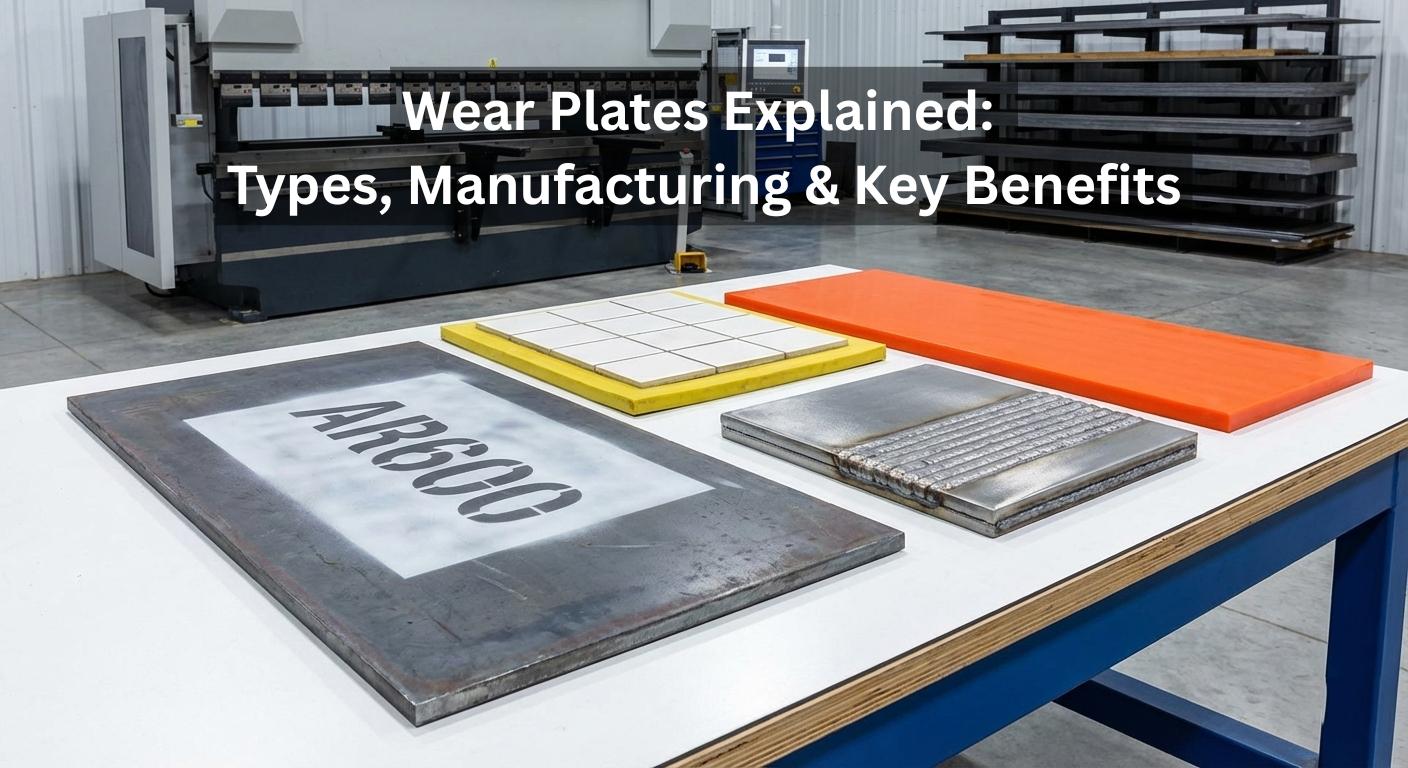
What are wear plates?
You can utilize wear plates to preserve your machinery and equipment secured. Typically, you’ll utilize them to protect the components of your machinery and equipment from various types of damage. To ensure and maintain the performance of a variety of equipment, such as crushers, buckets, conveyor belts, etc., you can deploy and implement it.
Wear Plates are considered to be one of the most essential items that manufacturing and industrial businesses require. A wear plate is necessary for one or more mechanical components in many sectors. But if you’re unsure what a wear plate is, we can explain it to you!
In this article, we’ll explain what a wear-resistant plate is all about. How it can benefit you, where you can use it, where to buy it, and many other things!
The Process for Making a Wear Plate is Simple.
The manufacturing of a wear plate generally follows these steps:
-
Cutting of raw materials – Selecting and cutting the base material to the required size.
-
Welding – Joining layers or reinforcing materials as needed.
-
Inspection or evaluation – Checking the plate for defects and proper alignment.
-
Repair Welding – Fixing any issues found during inspection.
-
Accurate Cutting and Leveling – Ensuring the plate meets precise specifications and is ready for installation.
While some manufacturers may use slightly different procedures, this is the standard approach used in most operations.
What Distinguishes an Excellent Wear-Resistant Plate?
When choosing a wear plate, consider these key factors:
Composite Materials
The material of the plate directly affects its performance. Look for plates made from chromium carbide, one of the hardest materials available today. These plates offer excellent resistance to corrosion, abrasion, and wear, improving the lifespan and efficiency of your equipment.
The Measure of Weight
Wear resistance does not mean heavy weight. In fact, plates should be lightweight to avoid putting extra stress on machinery components. Lighter plates increase adaptability and reduce the risk of damage.
Stability and Dependability
Wear plates should be consistent and reliable regardless of your machinery’s complexity. Choose plates that offer durability, flexibility, and chemical resistance.
TIP: Before purchasing, review the material’s properties and any additional features it may have.
Displacement Possibility
Some wear plates can shrink or change shape under operational conditions, affecting machine performance. Select plates that maintain their integrity and will not interfere with your equipment’s function.
Wear-Resistant Plates provide several perks
You can gain the following advantages and benefits from using wear plates:
Lower Cost
You wouldn’t buy tools and machinery more frequently than you do presently. Lower expenditures translate into lower costs for you.
Superior Wear Resistance
Prior to the installation of wear plates, your machine wouldn’t experience regular wear. You can prolong the lives of your heavy-duty equipment by using highly resistant plates!
Better Performance
Wear plates will ensure that all of your equipment operate properly and efficiently. There won’t be as much time for you to consider upkeep, replacement, or even repair! This only means enhanced and increased performance for your company.
Conclusion
Wear plates are essential components for protecting industrial machinery from wear, corrosion, and impact. By choosing the right material, weight, and quality, they improve equipment performance, reduce maintenance costs, and extend the life of your machines. Investing in durable wear plates is a cost-effective way to enhance operational efficiency.
FAQs
What materials are used to make wear plates?
Wear plates are commonly made from chromium carbide, manganese steel, carbon steel, and other high-hardness alloys that resist wear, abrasion, and corrosion.
What is the difference between abrasion-resistant and impact-resistant wear plates?
Abrasion-resistant plates are designed to withstand continuous friction and surface wear, while impact-resistant plates are built to absorb shocks and heavy loads without cracking.
How long do wear plates last?
The lifespan varies based on material, application, and operating conditions but can range from several months to several years with proper use.
Are wear plates weldable and machinable?
Yes, most wear plates can be welded or machined, though the process may require specialized tools depending on the hardness and alloy composition.
What thickness of wear plate is best for heavy-duty applications?
For heavy-duty operations, wear plates typically range from 6 mm to 25 mm or more, depending on the level of abrasion and impact they need to withstand.